


The Security Dilemma Every Small Business Faces
It’s Monday morning, and your office manager just called in a panic. Dave from accounting lost his keychain… again. Now you’re facing that all-too-familiar question: shell out cash for rekeying everything, or finally upgrade to a smart lock system with keypad access?
For most Canadian small businesses, security upgrades often slide down the priority list until something forces our hand. The data is telling: 67% of small businesses experience at least one security incident annually, with lost keys accounting for nearly 40% of these problems. Even more concerning, 22% of former employees never return their keys after leaving a company, creating ongoing security vulnerabilities that most business owners don’t even realize they have.
Traditional Lock and Key: Reliable But Limited
We all know the classics – deadbolts, door handles with built-in locks, and cylindrical lock sets from brands like Schlage and Kwikset. There’s something reassuring about that solid metal key in your hand, and they’ve been securing businesses for decades with good reason.
Benefits:
- Budget-friendly upfront investment ($150-250 per door)
- No dependence on electricity or wireless networks
- No software or firmware updates required
- No vulnerability to power outages or internet connectivity issues
- Most locksmiths can service them when the cylinder jams or the latch malfunctions
Drawbacks:
- Keys frequently disappear (Canadians lose approximately 5 million keys annually)
- Former employees might keep copies, creating serious information security risks
- Rekeying costs add up quickly ($75-150 per lock, plus emergency fees)
- Lock picking and bumping remain serious vulnerabilities (27% of commercial break-ins show no signs of forced entry)
- Zero data on who accessed your door and when (impossible to track after a burglary)
Traditional locks work well for small, stable teams where security information doesn’t need to be updated frequently. According to the Canadian Federation of Independent Business, 42% of businesses with fewer than 5 employees still rely exclusively on traditional locks. There’s a simple elegance to a well-made deadbolt that continues to serve many businesses well.
Smart Lock Technology: The Modern Approach to Access Control
Electronic lock systems have evolved dramatically from their clunky predecessors. Options now include touchscreen keypads, smartphone authentication via Bluetooth, biometric fingerprint readers, and comprehensive access control systems that integrate with Amazon Alexa or Google Assistant for complete automation.
Key Advantages:
- No physical keys to lose or duplicate without authorization
- Remote control access via mobile apps from anywhere with internet connection
- Instant user access management through computer interface
- Authentication logs provide detailed data on all entries and exit attempts
- Temporary access codes for visitors, cleaning services, or maintenance staff
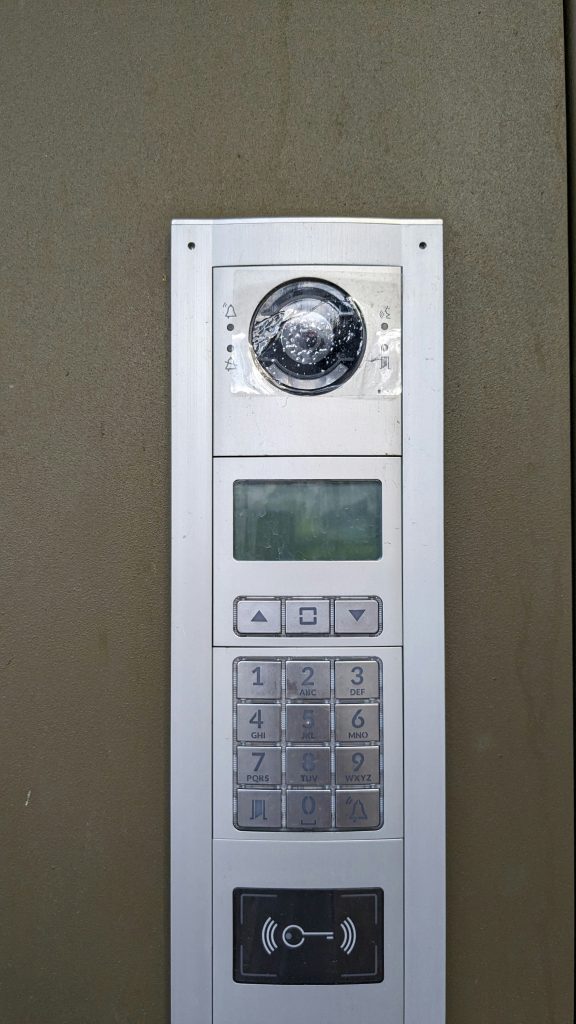
- Integration with security cameras, telephone entry systems, and intercom infrastructure
- Convenient automation and scheduling features through smart home connectivity
Potential Concerns:
- Higher initial investment ($300-800 per door depending on features)
- Requires infrastructure like internet connectivity and sometimes backup electricity
- Potential encryption and wireless network security considerations
- Backup power solutions needed for outages (though most have key override options)
- Occasional firmware updating for security and usability improvements
- Learning curve for technology-averse staff members
These access control systems shine for businesses with staff turnover or those requiring flexible management options. Adoption rates for electronic locks in Canadian small businesses jumped from 23% in 2022 to 58% in early 2025, with established security brands like Schlage and Kwikset leading the market alongside newer technology-focused companies.
Quick Comparison: Old vs. New Security Technology
| Feature | Traditional Lock | Keyless Entry |
| Authentication Method | Physical key | Code/phone/biometrics |
| User Management | Manual rekeying | Instant computer updates |
| Data Collection | None | Digital entry logs |
| Security Vulnerabilities | Picking, lost keys | Power/internet issues |
| Cost Structure | Lower upfront fee | Better long-term ROI |
| Remote Features | None | Complete smartphone control |
| Integration Capabilities | Limited | Extensive IoT connectivity |
Real World Results
A 2024 Canadian Security Association report shows businesses implementing modern access control systems reduce security incidents by 63% within the first year. Insurance claims related to unauthorized entry dropped by 47% for businesses using keyless systems with surveillance integration. These aren’t just numbers – they represent real business savings and peace of mind
.
Consider this Toronto tech company I worked with last summer: after three lockout emergencies in one quarter (including a midnight call when nobody could find the master key), they invested in a comprehensive smart lock system with biometric authentication. Their office manager now handles everything through email notifications – creating temporary codes for maintenance workers, instant deactivation for departing staff, even remotely unlocking doors while away on vacation. The investment paid for itself within 8 months just in avoided emergency locksmith fees.
For professional security advice tailored to your specific needs and budget, the team at Premium Locksmith can provide customized consultations that take your unique situation into account.
Making Your Investment Decision
Market research firm TechSecurity predicts that by 2027, electronic locks will be standard for over 80% of new commercial installations in Canada, up from 65% today. The average ROI timeframe has dropped from 24 months to just 14 months since 2022, making the technology increasingly accessible for smaller businesses.
When evaluating your options, consider these key factors:
- Staff size and turnover frequency
- Budget constraints vs. long-term savings potential
- Specific security vulnerabilities in your current setup
- Need for remote management capabilities
- Integration with your existing technology infrastructure
- Convenience requirements for daily operations
Whether you choose a traditional deadbolt or a cutting-edge fingerprint scanner connected to the internet of things, what matters most is selecting a solution appropriate for your specific situation. The most advanced encryption won’t help if basic security protocols aren’t followed, and even simple mechanical locks can be effective when properly managed.
The right security system isn’t necessarily the most expensive – it’s the one that provides genuine protection while fitting seamlessly into your business operations without creating unnecessary hassle or expense. In my 15 years of installing both traditional and electronic security systems across Ontario, I’ve learned that the best solution is always the one that actually gets used properly every day.