
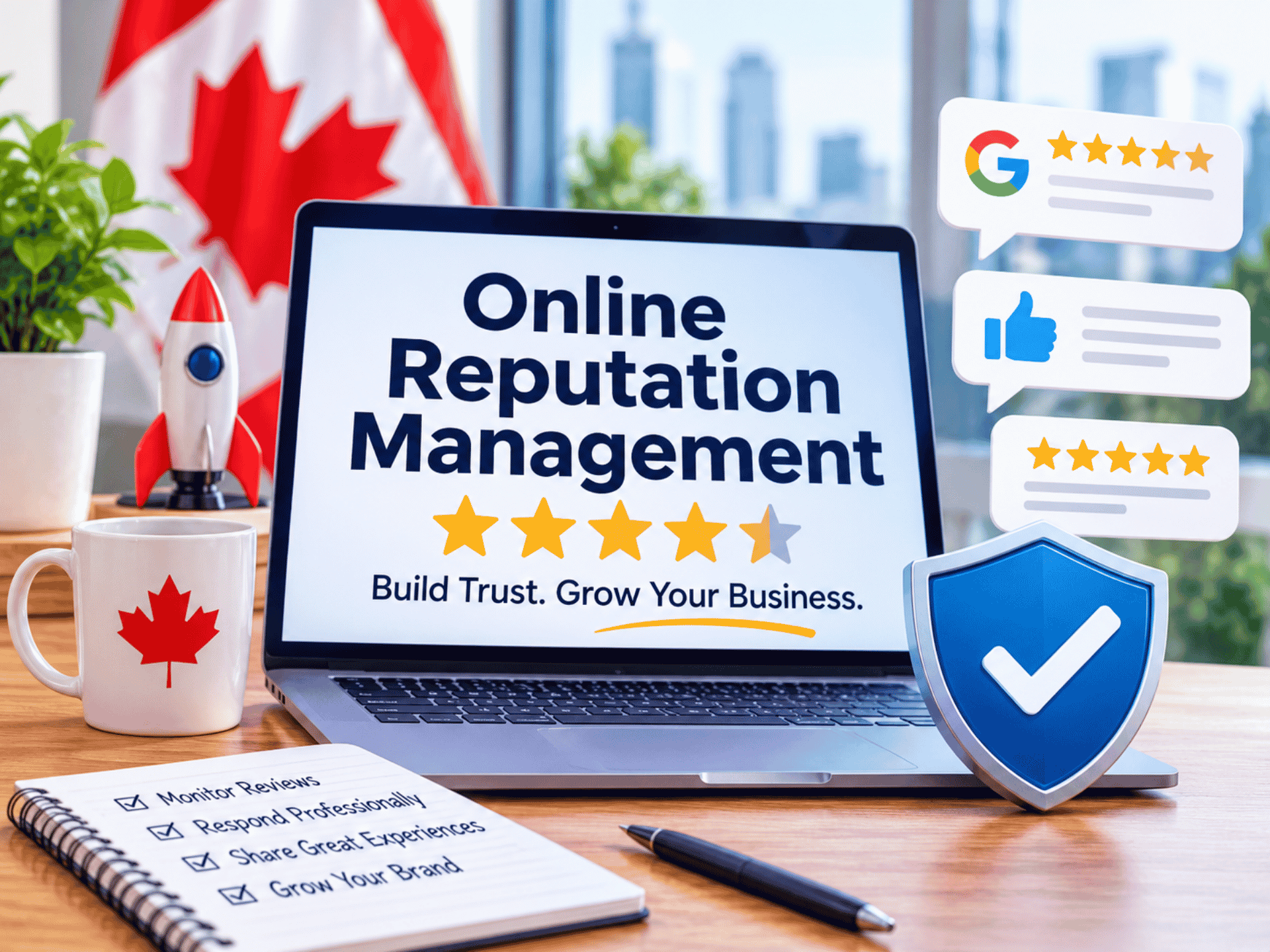
While developing a new product, building a website and finding your first customers, you may not give much thought to what people see when they look at reviews of your brand.
Online reputation can play a significant role in helping early-stage businesses gain credibility with potential customers. In the early stages, there may be little history behind your brand. You may not receive many recommendations or be widely known, so having a good reputation strategy can help founders understand what customers are saying, resolve issues and respond appropriately to misleading content.
Why it’s more important for new businesses
Established brands may have built a strong reputation through years of serving customers. New businesses do not have as many indicators of reliability. Potential customers often look at Google reviews to understand how others have interacted with a business. They may consider trends, overall patterns and how owners respond to negative feedback.
Because your business is new, a small number of reviews can have a significant impact. This is not always a bad thing. Constructive criticism can highlight areas for improvement in your product, scheduling or service. The aim is to understand the feedback you are receiving.
Create a simple process
Founders usually have a lot on their plates, so it is best to create a simple process for monitoring their online reputation.
Designate someone to monitor the main review platforms regularly. Note any recurring issues with your service and pass them on to the appropriate team. Develop a response approach that is professional, specific and respectful, even when a comment seems unfair.
Ask your customers for honest feedback. Do not offer incentives in exchange for positive reviews or selectively ask only happy customers for feedback. The goal is to build a credible reputation based on genuine experiences.
Differentiate between tough feedback and misleading reviews
Some negative reviews reflect genuine disappointment. Others may contain inaccuracies, refer to the wrong business, discuss unrelated events or raise questions about whether the reviewer had an actual experience with your company.
When you receive a concerning review, save the text, posting date and link. Check your records. Could the customer have interacted with your business under a different name or through another staff member? A low rating without specific comments does not necessarily mean the review is fake.
If a review appears to violate a platform’s policies, use its reporting and appeal processes. ReviewsBoost’s guide to reporting fake Google reviews discusses common policy issues, the importance of supporting evidence and the difference between a policy violation and an ordinary customer complaint.
Respond publicly
Potential customers often read a business’s responses to reviews. Keep your replies short and calm to demonstrate professionalism. Acknowledge the concern without sharing personal information, and offer a reasonable way to discuss the issue privately.
If you are unsure what happened, invite the reviewer to provide more details so you can investigate. Avoid accusing someone of dishonesty without sufficient evidence. A defensive response may draw more attention to an isolated issue and undermine trust.
When to seek external help
Small teams can sometimes become overwhelmed by reviewing platform policies, organizing information and following up on disputed reviews. If you encounter several suspicious reviews, possible conflicts of interest or complex supporting documents, professional assistance may be useful.
Canadian companies such as ReviewRemoval.ca specialize in helping businesses assess and dispute reviews that may violate Google’s policies. However, Google makes its own moderation decisions, and legitimate negative opinions are not removed simply because a business disagrees with them. Ask any provider about its process, pricing, evidence requirements and limitations.
Make it an operational task
Reputation management becomes more useful when treated as a routine operational task. Track how quickly your team responds, which concerns recur and whether you have made changes based on customer feedback. For example, if several customers mention late deliveries, your logistics process may need attention.
Set aside time each month to review customer feedback and share key trends with your team. When feedback becomes part of regular operations, it can help improve customer retention, identify gaps in your product and inform better decisions as your business grows.
Create a strong foundation for long-term growth
The most credible online reputation comes from providing a consistent customer experience and responding openly and fairly. Monitoring reviews, offering thoughtful responses and using platform reporting processes when appropriate are useful habits for founders to develop.
While you cannot control what people think or say about your business online, you can control how seriously you investigate concerns, how respectfully you respond and whether you use feedback to improve. Over time, these habits can make a meaningful difference.